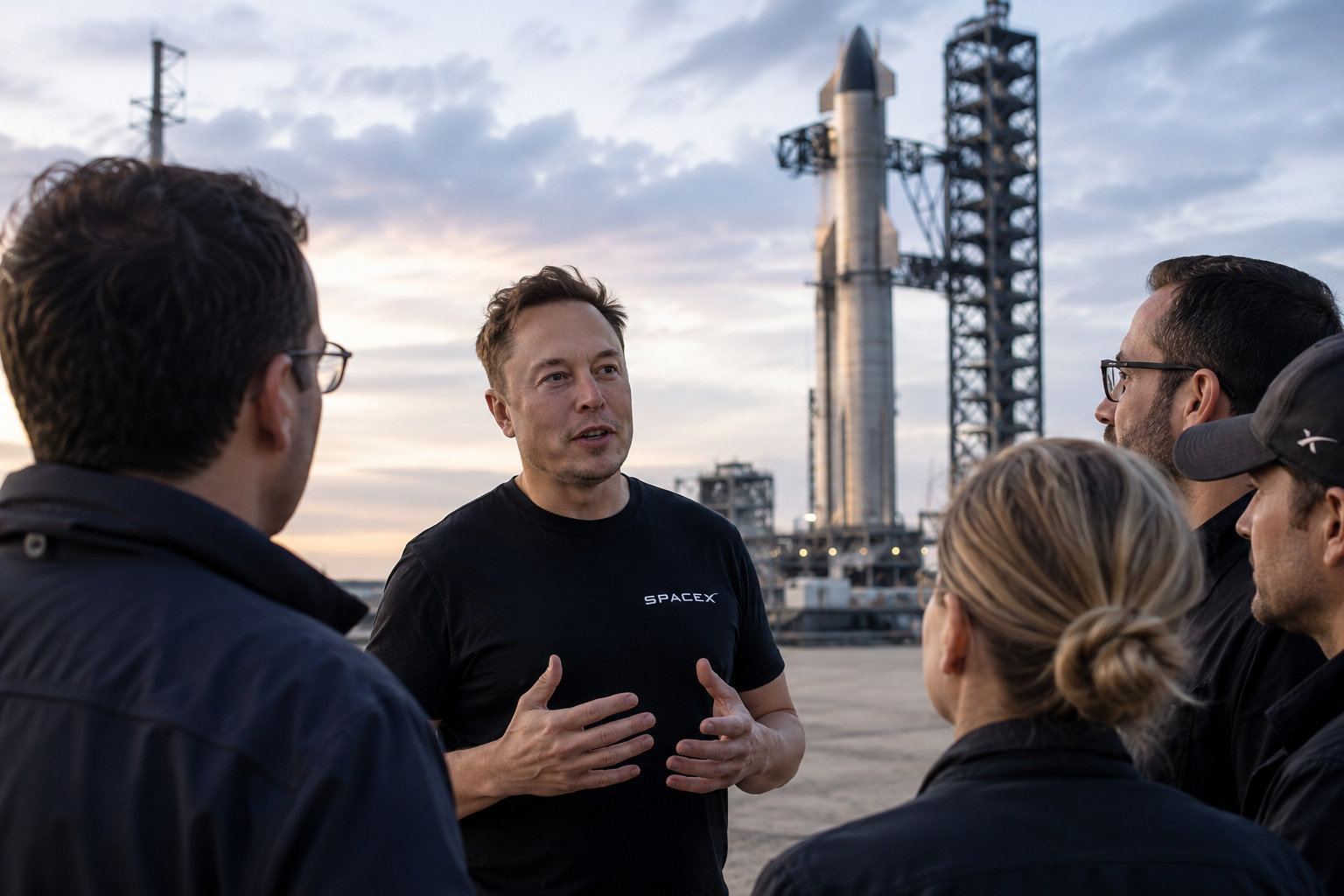
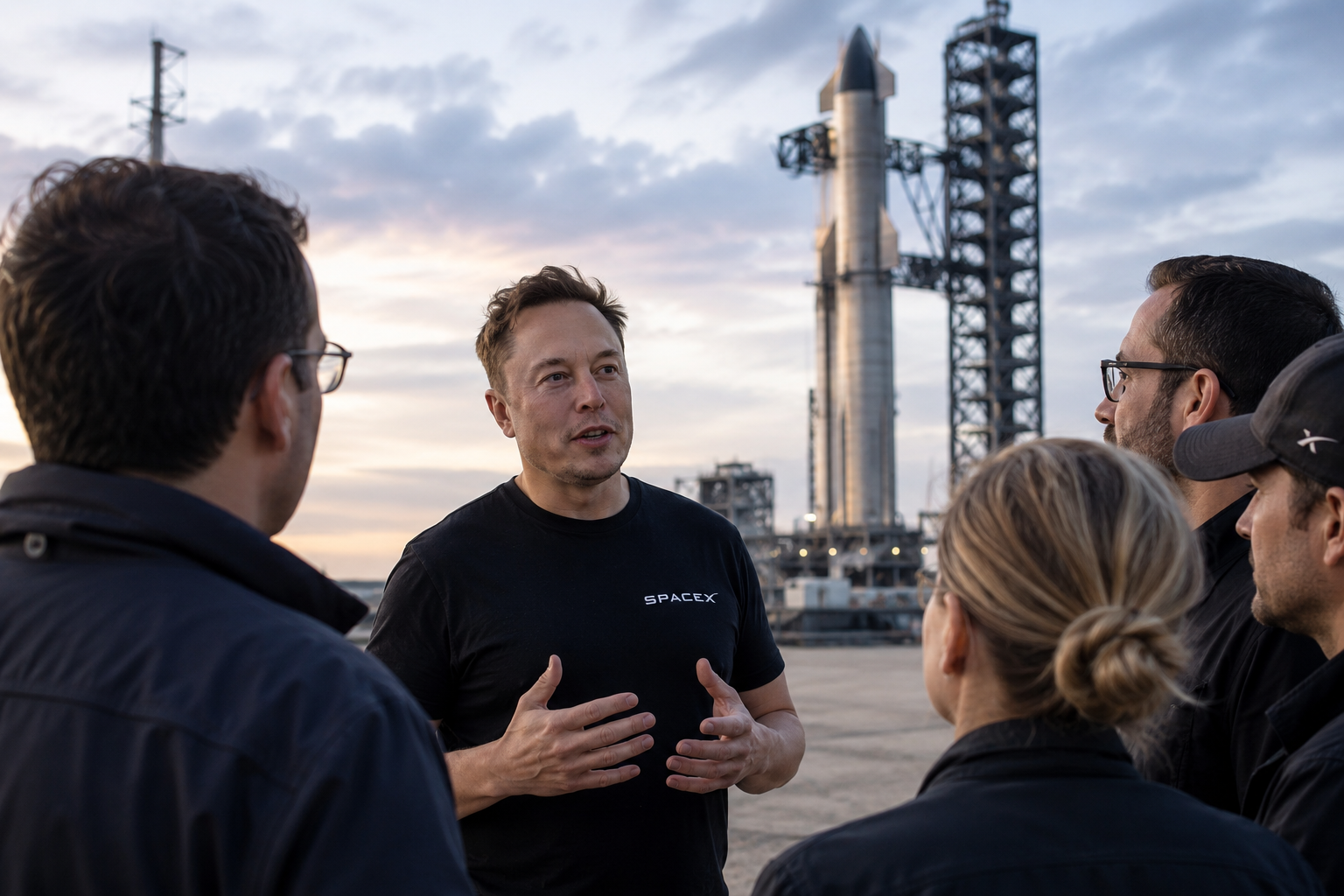
SpaceX SPCX stock fell 2.5% Thursday as investors looked ahead to another major lockup expiration that could increase the supply of shares available for trading.
Up to 328.4 million shares are scheduled to become eligible for sale on October 9, giving existing shareholders the option to cash out.
The stock’s decline broadly tracked the wider market, with investors also monitoring elevated Treasury yields and oil prices.
The S&P 500 fell 0.4%, while the Nasdaq Composite declined 0.6%. The Dow Jones Industrial Average dropped 201 points, or 0.4%.
October lockup adds selling risk
The October 9 release is the latest in a series of staggered SpaceX lockup expirations following the company’s June IPO.
Rather than using a single 180-day expiration, SpaceX structured its offering around multiple dates at which different groups of shareholders can become eligible to sell.
That structure has limited the amount of stock entering the market at any one time, but it has also created a recurring source of uncertainty for investors.
The upcoming release does not mean that all eligible shareholders will sell.
However, the prospect of additional supply can weigh on the stock as investors assess whether early shareholders will take profits following SpaceX’s gains since its August low.
The October 9 unlock also comes as investors assess whether SpaceX’s rapid expansion into artificial intelligence computing can justify its valuation.
Analysts see AI driving growth
Erste Group analyst Stephan Lingnau initiated coverage of SpaceX with a Hold rating but did not assign a price target.
Lingnau said SpaceX’s “high EV/EBIT multiple” already reflects strong expectations for its AI business.
He expects SpaceX to reach a $100 billion annualized revenue run rate by the end of 2026, with cloud agreements involving AI companies such as Anthropic and Alphabet driving a significant portion of the growth.
Lingnau expects AI to become SpaceX’s largest revenue contributor as early as this year.
He also expects the highly profitable Starlink business to offset losses from the company’s aerospace and AI operations.
The analyst said SpaceX’s valuation assumes its AI business will “reach breakeven in the near term,” followed by a “significant increase in the operating margin.”
Other analysts remain more optimistic.
Earlier this week, Morgan Stanley analyst Adam Jonas reiterated his Buy rating and $300 price target.
Jonas said SpaceX looks “cheap and getting cheaper” relative to its growth prospects.
He also said investor interest in the company remains relatively quiet but argued that its growth potential makes the stock attractive.
In his view, concerns surrounding Grok and Starlink Mobile are already reflected in the valuation.
Goldman Sachs analyst Eric Sheridan also raised his SpaceX price target to $230 from $220 while maintaining a Buy rating.
Sheridan said the higher target reflects greater confidence in SpaceX’s AI business.
He increased his forecasts for AI capacity and revenue and expects margins to improve as the business scales.
Trump discloses SpaceX debt investment
Separately, President Donald Trump disclosed an investment of $1 million to $5 million in SpaceX senior unsecured notes, according to a newly released financial disclosure.
The notes carry a 5.35% interest rate and mature in July 2031.
The disclosure showed that Trump made the SpaceX debt investment two days before signing a policy memorandum aimed at expanding US commercial space transportation.
Trump’s disclosure also showed more than 500 securities transactions during August, including an investment of as much as $25 million in Meta stock.
The SpaceX investment is in the company’s debt rather than its equity, meaning it does not directly increase his ownership stake in the publicly traded stock.
Starlink faces India delays
SpaceX is also facing uncertainty around Starlink’s planned expansion into India, a potentially significant market for the satellite internet business.
Elon Musk has accused influential Indian telecommunications interests of obstructing Starlink’s entry to protect their existing market positions.
Indian government officials have rejected those accusations and said the approval process treats competing providers fairly.
Starlink has secured an initial license, but additional security clearances and spectrum allocation are still required before commercial operations can begin.
Further delays could postpone revenue opportunities in a market with a large population of consumers lacking reliable broadband access.
The post Why SpaceX stock is down around 2.5% on Thursday appeared first on Invezz