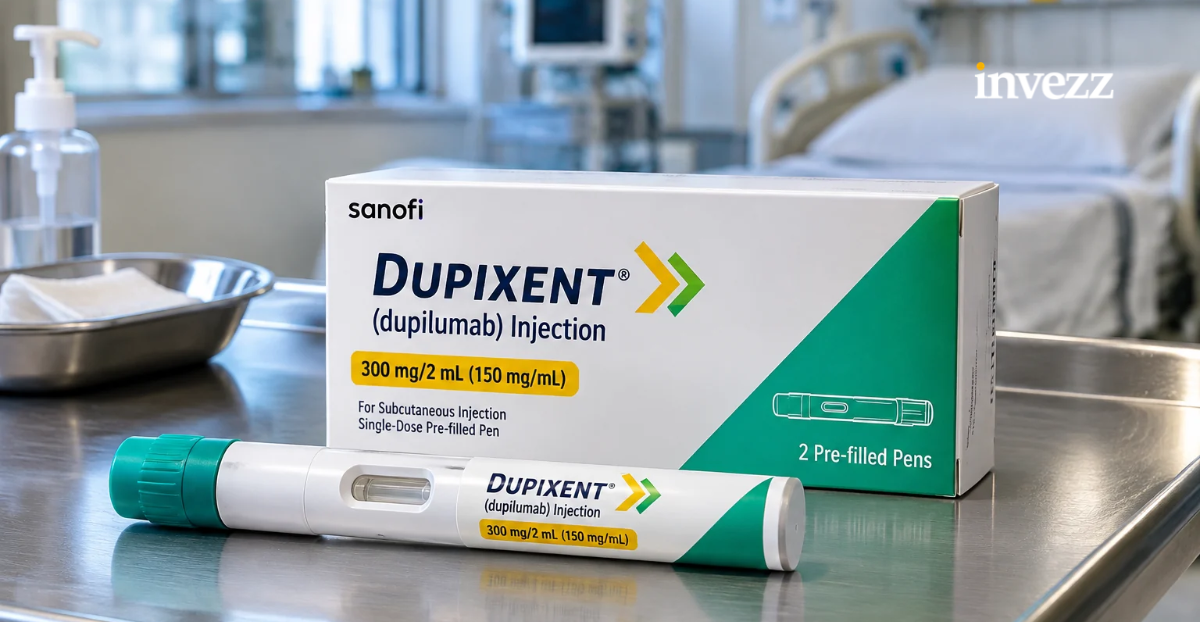
Sanofi (SNY) shares rallied on Tuesday morning after the French drugmaker agreed to buy Insmed (INSM) for a whopping $41 billion in cash.
The rally gives CEO Belén Garijo an early vote of confidence as she tries to reduce SNY’s reliance on Dupixent, its biggest seller.
For shareholders, the test is whether Sanofi can turn a “fast-growing” US drug launch into a global business, bring another lung treatment to market and pay down acquisition debt as its flagship drug approaches the loss of US patent protection.
Including today’s surge, Sanofi stock is up nearly 30% versus its recent low.
Why Sanofi stock rallied despite the premium
Sanofi is offering $175 a share, roughly 46% above Insmed’s closing price before takeover reports surfaced.
Brinsupri helps explain why investors were willing to look past that premium.
The treatment for a chronic lung disease known as non-cystic fibrosis bronchiectasis generated $400.1 million in third-quarter sales, up 29% from the previous quarter.
Sanofi already sells Dupixent for conditions including severe asthma, giving it an established respiratory business to build on.
The opportunity is to use that commercial reach to get Brinsupri to more eligible patients, particularly outside the US.
The next test is whether sales keep climbing as the initial US launch surge matures.
Can Insmed fill the Dupixent earnings gap?
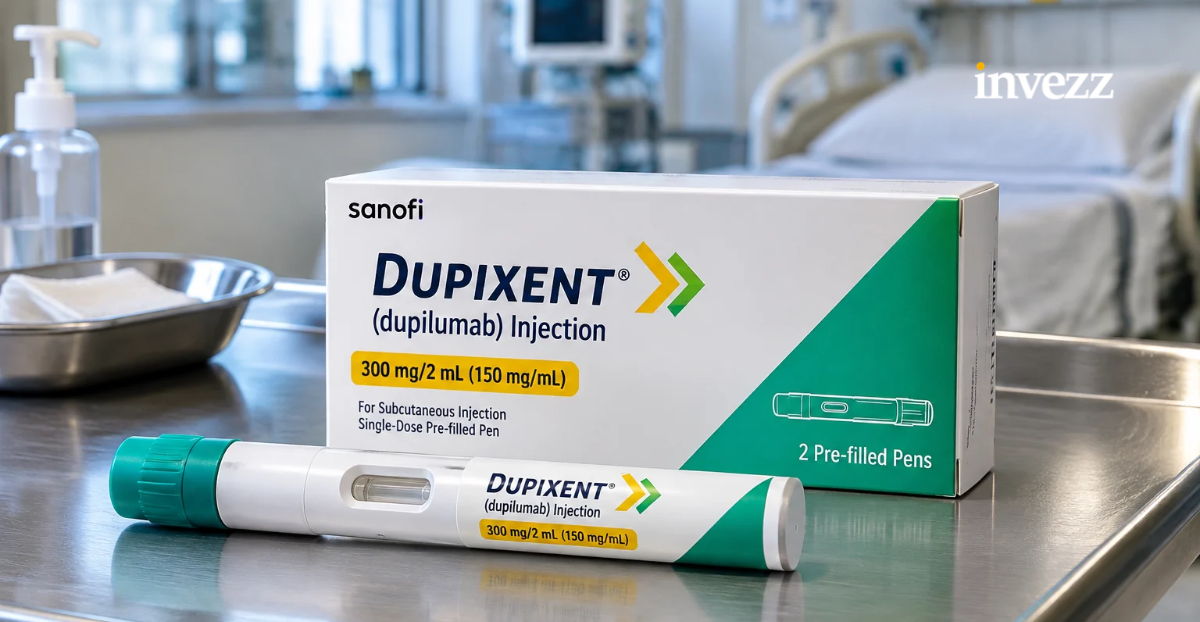
Dupixent accounts for nearly 40% of Sanofi’s revenue, and its US patent protection is due to expire in 2031.
CFO François Roger says Insmed could largely fill the resulting profitability gap by 2035.
Sanofi expects a boost to business earnings per share by the end of 2028, a separate and earlier milestone.
The timing matters because the deal could lift earnings within two years of its expected closing while still leaving Sanofi exposed to a squeeze after 2031.
The harder test is whether Brinsupri and the rest of Insmed’s portfolio can add profit fast enough as Dupixent faces new competition.
Sanofi’s next tests are trial results and debt repayment
Beyond Brinsupri, a major source of potential growth is TPIP, an inhaled drug in late-stage development for pulmonary hypertension.
Trial results and regulatory decisions will determine whether it can contribute meaningfully when Sanofi needs it.
The other test is cash flow. Sanofi plans to fund the purchase with cash and debt and estimates more than $500 million in annual cost savings.
Shareholders can track whether those savings and rising drug sales translate into lower debt while Sanofi keeps funding its own research.
That will show whether the acquisition gives Sanofi room to develop its next growth drivers even as it pays for this one.
Note that Wall Street currently rates SNY stock at Overweight, with a bullish mean price target of nearly $55 per share.
AI disclosure: AI tools assisted with research and drafting of this piece. An Invezz editor reviewed the facts, sources and wording before publication. Any opinions or analysis are Invezz’s, not those of an automated system.
The post What Sanofi needs to get right for $41B Insmed deal to pay off appeared first on Invezz