After a vintage 2025 that saw European bank valuations more than double in their best showing since 1997, the sector hit a geopolitical wall in March 2026.
Tensions between the US and Iran triggered a sharp 10% correction in the Stoxx 600 Banks index, momentarily erasing three years of near-linear gains.
However, Citi analysts are urging investors not to mistake a “positioning-driven” wobble for a fundamental breakdown.
While the index remains down roughly 1% year-to-date, the investment firm maintains an “overweight” stance, framing recent volatility as a tactical entry point into a sector still surging with underlying momentum.
Why Citi remains bullish on European bank stocks
Citi’s bullishness is anchored in a “superior” revenue outlook that has largely ignored the noise of the Middle East conflict.
The data supports this optimism: a staggering 79% of European lenders beat Q425 earnings estimates, fueling a rare cycle of year-on-year earnings-per-share (EPS) upgrades.
Crucially, the forward curve now anticipates two ECB rate hikes in 2026, a move expected to significantly bolster Net Interest Income (NII) and return on equity (ROE) across the board.
With the sell-off resetting the implied cost of equity back toward its long-run average, Citi analysts argue the current valuations offer a much safer margin of safety compared to the overheated peaks of late 2025.
Names Citi analysts are particularly bullish on
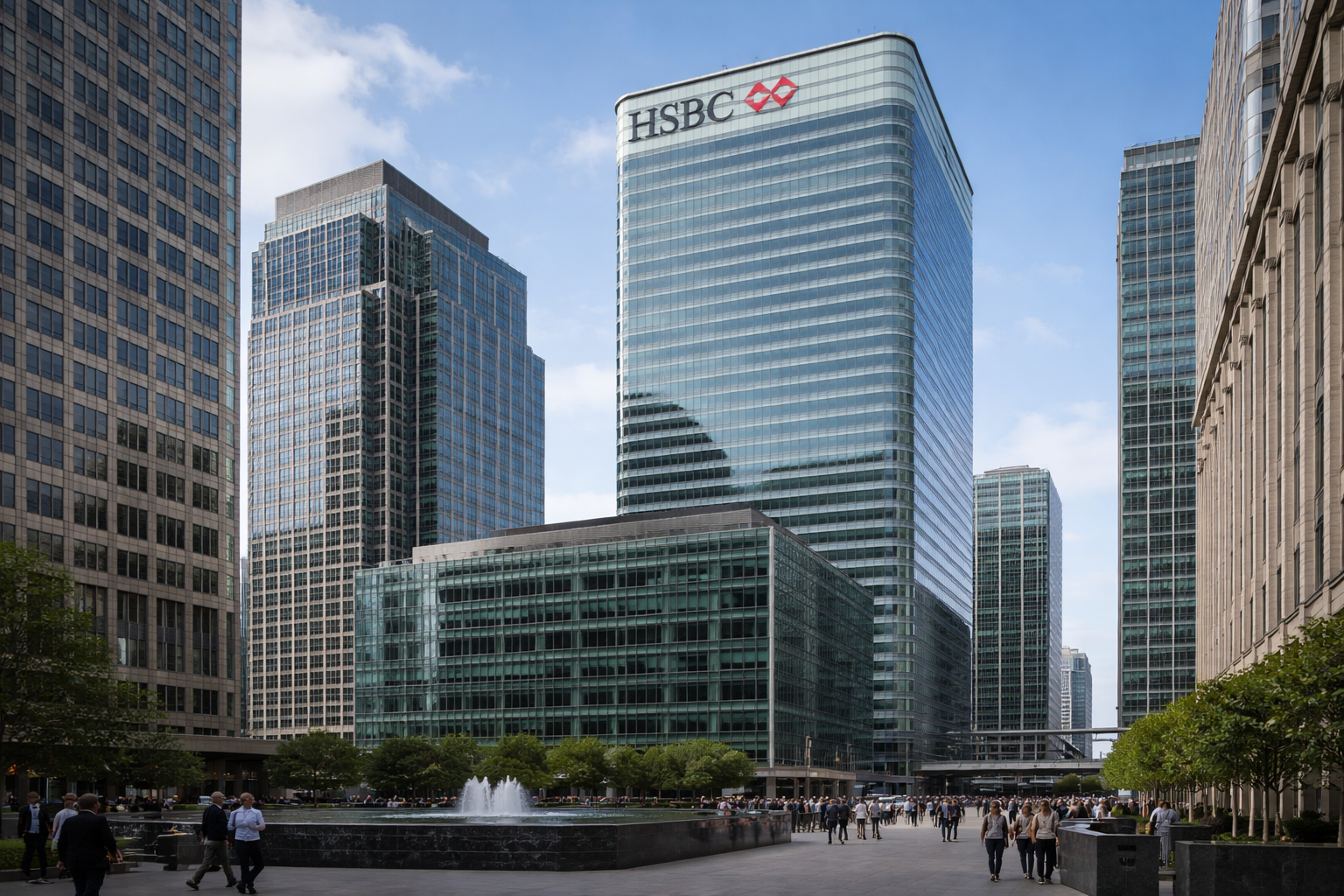
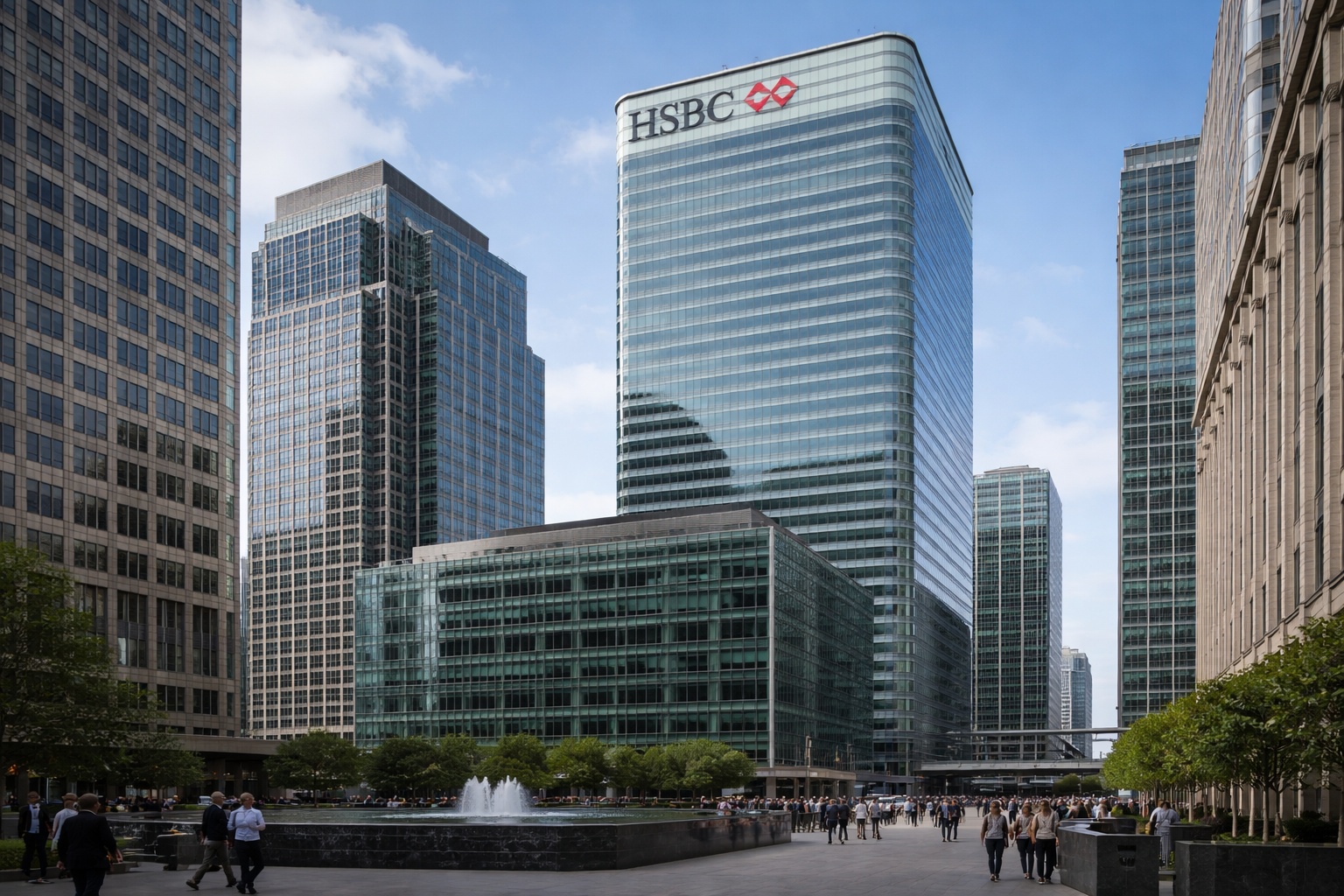
To navigate this recovery, Citi has identified three names – HSBC, NatWest, and Société Générale as its top high-conviction picks.
These banks are favoured for their robust capital ratios and high sensitivity to shifting interest rates.
Beyond the “big three,” the investment firm has recently upgraded Lloyds to a “buy” rating and moved Deutsche Bank to “Neutral,” signaling a broader confidence in the sector’s resilience.
For investors seeking regional diversification, BBVA, BNP Paribas, and Santander are also highlighted as beneficiaries of significant 2026 earnings revisions.
These selections represent a diverse cross-section of institutions currently trading at a discount despite having clear pathways to profitability growth.
Capital surplus and the M&A wildcard
The final pillar of Citi’s “buy the dip” thesis rests on the massive piles of “excess capital” currently sitting on European banks’ balance sheets.
Analysts expect this liquidity to be weaponized through aggressive share buybacks and loan growth, providing a floor for share prices.
While the firm notes an increased willingness among lenders to engage in M&A, it remains cautious about high-profile consolidation, specifically citing “major obstacles” for the rumored UniCredit and Commerzbank merger.
Nevertheless, the overarching 2026 outlook remains remarkably constructive.
By focusing on banks with high CET1 ratios and clear NII runways, Citi believes investors can capitalize on this temporary pause before the bull market resumes.
The post Citi says European bank stocks are cheap, backs buying the dip appeared first on Invezz