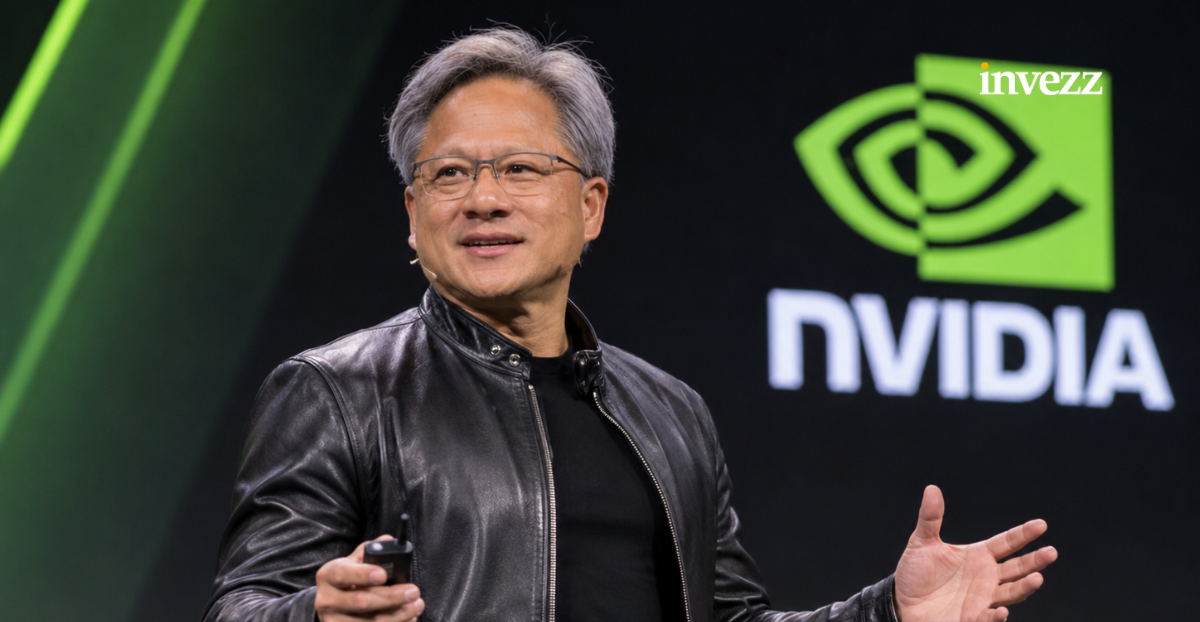
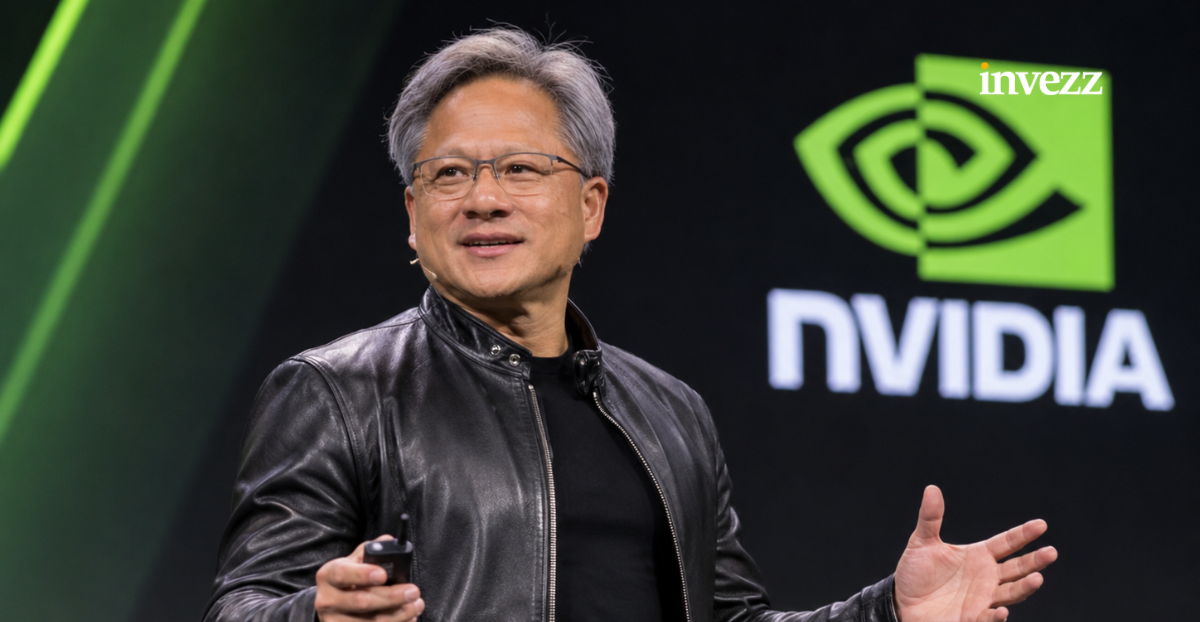
Nvidia stock (NASDAQ: NVDA) fell 5% in Tuesday’s premarket trading, giving back part of their historic rally as political opposition to Jensen Huang’s reinstatement and fresh US restrictions on chip exports unsettled investors.
The stock traded at $156.80 at 5:33 am ET, compared with Monday’s $165.05 close. Nvidia had surged 31.48% in that session, adding approximately $952 billion to its market value after its board unexpectedly restored Huang as chief executive.
The sharp reversal highlights how quickly enthusiasm has been tempered by questions about Washington’s oversight, Nvidia’s Chinese business and the financing behind the AI boom.
Jensen Huang’s return triggers political scrutiny
Nvidia’s directors reinstated Huang on Monday following discussions with him and input from senior US officials.
They said they were confident his return presented no national security risk, but stressed that an independent investigation would continue.
Their decision has not satisfied lawmakers. Democratic Senator Elizabeth Warren called the reinstatement reckless and demanded answers about Nvidia’s compliance with export restrictions.
Republican Senator Tom Cotton renewed calls to advance the Chip Security Act, aimed at preventing advanced chips legally exported to one destination from being diverted to China.
Jensen Huang is expected to testify at a Senate Banking Committee hearing on export controls on 3 December, adding another potential source of uncertainty for shareholders.
AJ Bell investment director Russ Mould told The Guardian that “investors may be mindful of a hangover” as they weigh the political and governance costs of Huang’s return.
Nvidia stock today: New blacklist puts China exposure under scrutiny
The Commerce Department on Monday added Singapore-based Megaspeed International and six related businesses to its trade blacklist, including Alibaba’s Singapore subsidiary, Apex Enterprise Solutions.
US officials have investigated allegations that advanced processors were diverted to China through third parties.
The designations constrain listed companies’ access to American technology; they do not constitute a finding that Nvidia violated export controls. That could complicate sales through distributors even where underlying demand remains strong.
For Nvidia, the commercial stakes are substantial. Its fiscal third-quarter revenue from customers headquartered in China and Hong Kong rose to $11.05 billion from $2.97 billion a year earlier.
That geographical measure reflects customer headquarters, not necessarily where chips were shipped or ultimately used. It also includes products beyond restricted data-centre processors.
Nvidia’s fourth-quarter forecast already assumes no data-centre compute revenue from China, limiting the usefulness of treating the entire $11.05 billion as immediately threatened sales.
The company has formed a National Security and Export Control Committee and is recruiting a chief compliance officer while cooperating with inquiries.
Nvidia stock price forecast
Beyond Washington, investors remain divided over whether demand for AI infrastructure can support Nvidia’s exceptionally rapid growth.
“The bull case — that the ‘Bank of Nvidia’ is open again and the AI buildout proceeds as planned — is flawed,” independent analyst Luke Lango told Business Insider, doubting a return to Jensen Huang’s earlier financing strategy.
Yet Nvidia reported quarterly revenue of $115.8 billion, up 103% annually, and forecast roughly $130 billion for its next quarter.
Antoine Chkaiban of New Street Research told Yahoo Finance, “I am still a buyer of Nvidia today,” pointing to the company’s longer-term earnings potential.
UBS maintained a Buy rating and a $220 target on Tuesday, indicating substantial theoretical upside from the premarket price.
The post Why is Nvidia stock plunging 5% just a day after its historic comeback? appeared first on Invezz