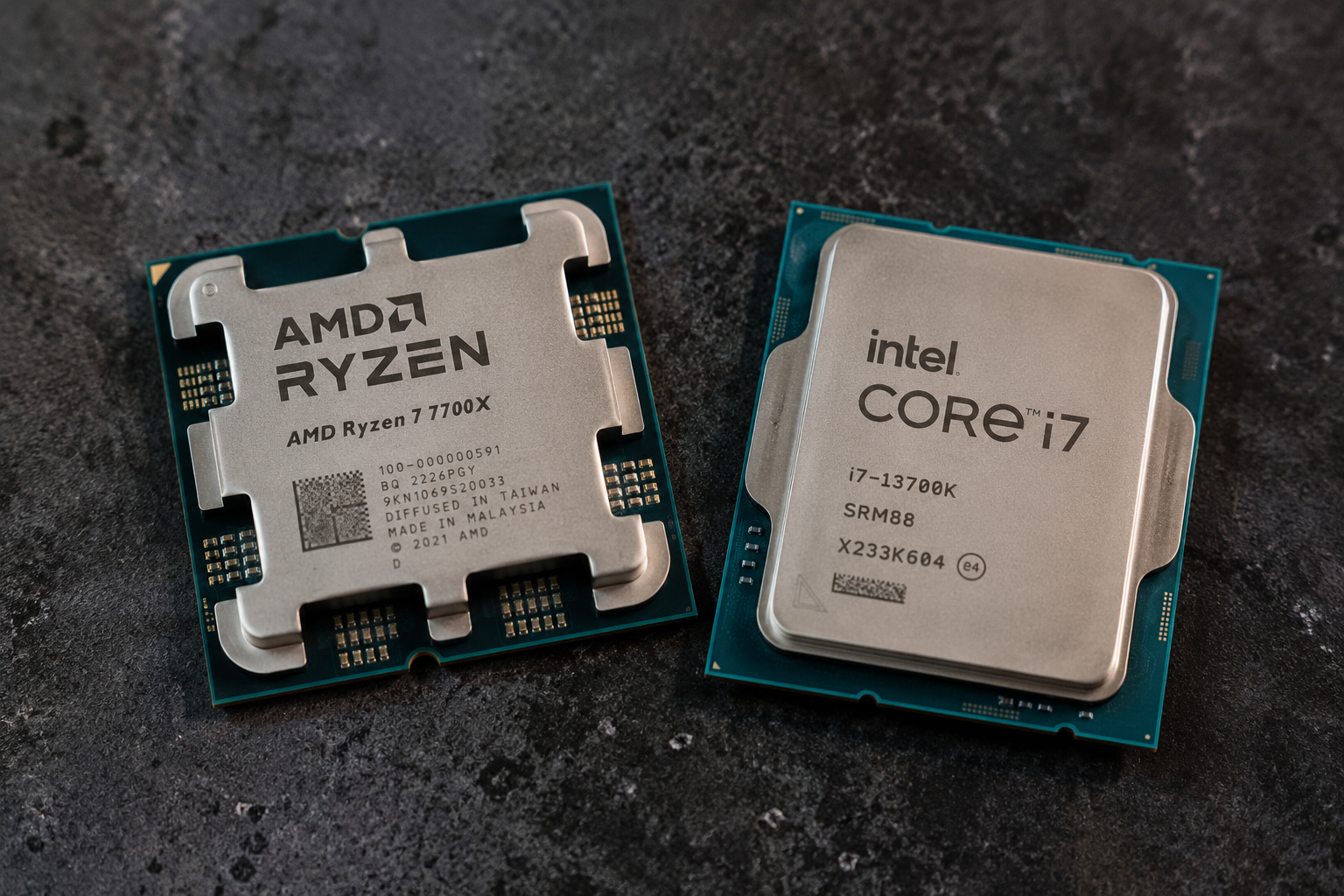
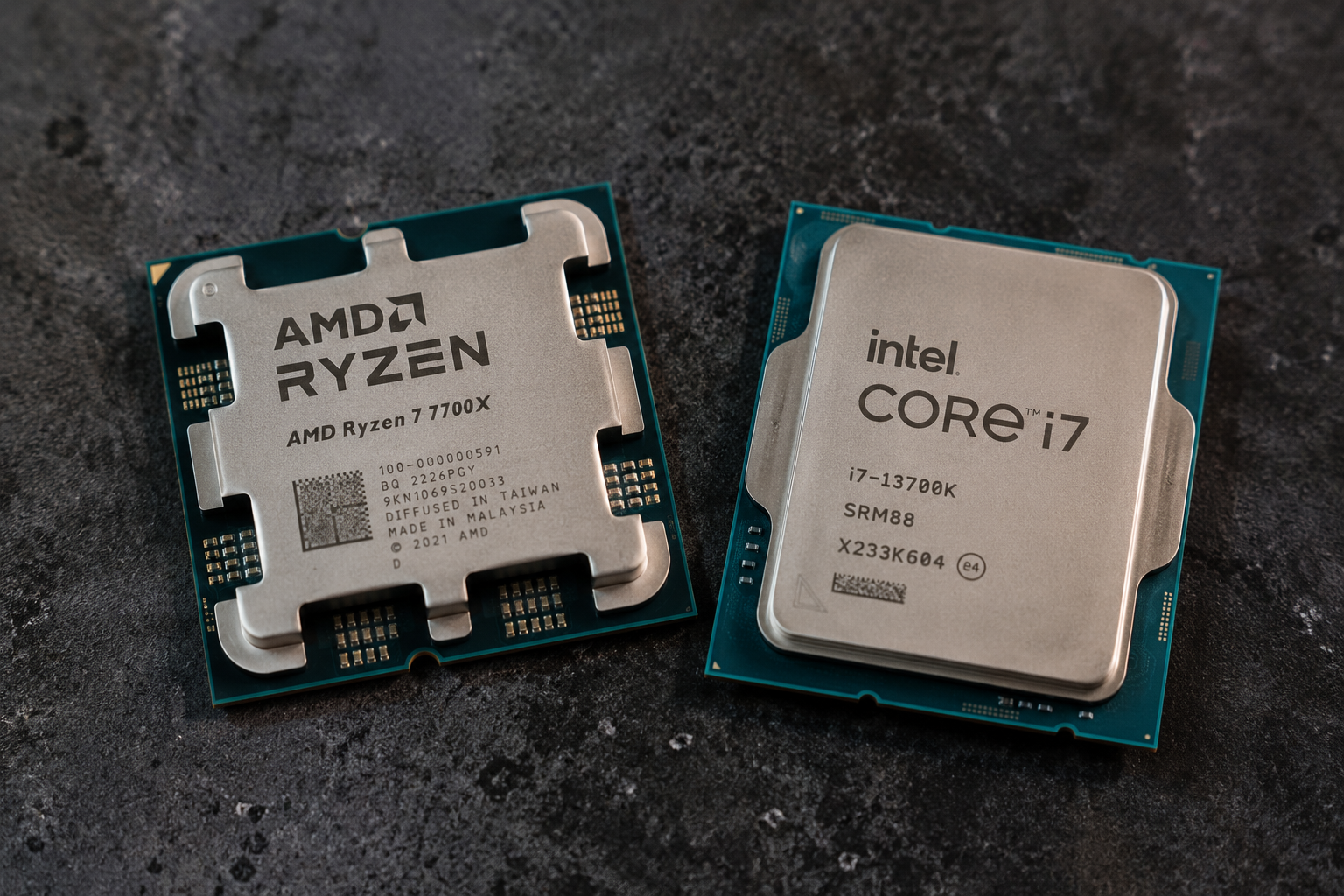
Intel INTC and AMD tumbled again on Thursday as surging oil prices and renewed concerns over the returns on artificial intelligence investments pushed investors toward a more cautious stance.
AMD declined 6.64% while Intel dropped 6.17% in morning trading, with other chip stocks also under pressure alongside the broader market.
Broader market pressure playing part
The Nasdaq Composite fell 1.5% in early trading, while the S&P 500 declined 0.8% and the Dow Jones Industrial Average lost around 0.2%.
The Philadelphia Semiconductor Index dropped approximately 4%, extending pressure on the sector as investors reassessed the scale of spending required to sustain the AI boom.
Technology shares came under particular pressure following Meta’s latest earnings report.
Although the Facebook parent beat third-quarter revenue estimates, its substantial investment plans renewed concerns about whether growing AI expenditure will generate sufficient returns.
The broader weakness also pushed the CBOE Volatility Index higher after three consecutive sessions of declines, signalling increased uncertainty among investors.
Rising energy prices compounded the pressure on equities. Brent crude futures climbed to above $112 a barrel, approaching a five-month high, while West Texas Intermediate advanced around 2% to more than $99 a barrel.
US President Donald Trump also said Washington was not negotiating with Tehran, contributing to uncertainty over whether diplomatic efforts could ease tensions.
Tesla, Nvidia investments revive financing concerns
Fresh concerns about circular financing also weighed on semiconductor sentiment after Korean media reported that Tesla and Nvidia agreed to invest a combined 3.7 trillion won, or approximately $2.8 billion, in Samsung Electro-Mechanics.
The investment is intended to support dedicated production facilities for advanced flip-chip ball grid array (FC-BGA) semiconductor substrates, which are used in AI chips and data-center networks.
Circular financing refers to arrangements in which companies fund customers or business partners that subsequently use the money to purchase their products.
Investors worry that such arrangements could artificially stimulate demand or encourage excessive manufacturing capacity without establishing the underlying economics needed to sustain it.
The concern is particularly relevant to the AI industry, where companies are committing substantial sums to infrastructure, hardware and supply chains.
Investors are increasingly scrutinising whether spending reflects durable end demand or is being amplified by interconnected investments among industry participants.
Lam Research warns of supply constraints
Lam Research added another complication for chip investors after reporting record quarterly revenue of $8.22 billion and adjusted earnings of $2.20 per share, both above expectations.
Despite the strong results, the semiconductor equipment maker indicated that supply limitations were constraining its ability to meet demand.
CFO Doug Bettinger said the company’s quarterly revenue guidance of $8.6 billion “would have been a bit higher if not for some near-term supply chain constraints.”
The warning highlights a continuing challenge for the semiconductor industry: demand for chips and related equipment remains elevated, but supply-chain limitations are restricting how quickly manufacturers can respond.
The post Why Intel, AMD stocks are falling on Thursday? appeared first on Invezz