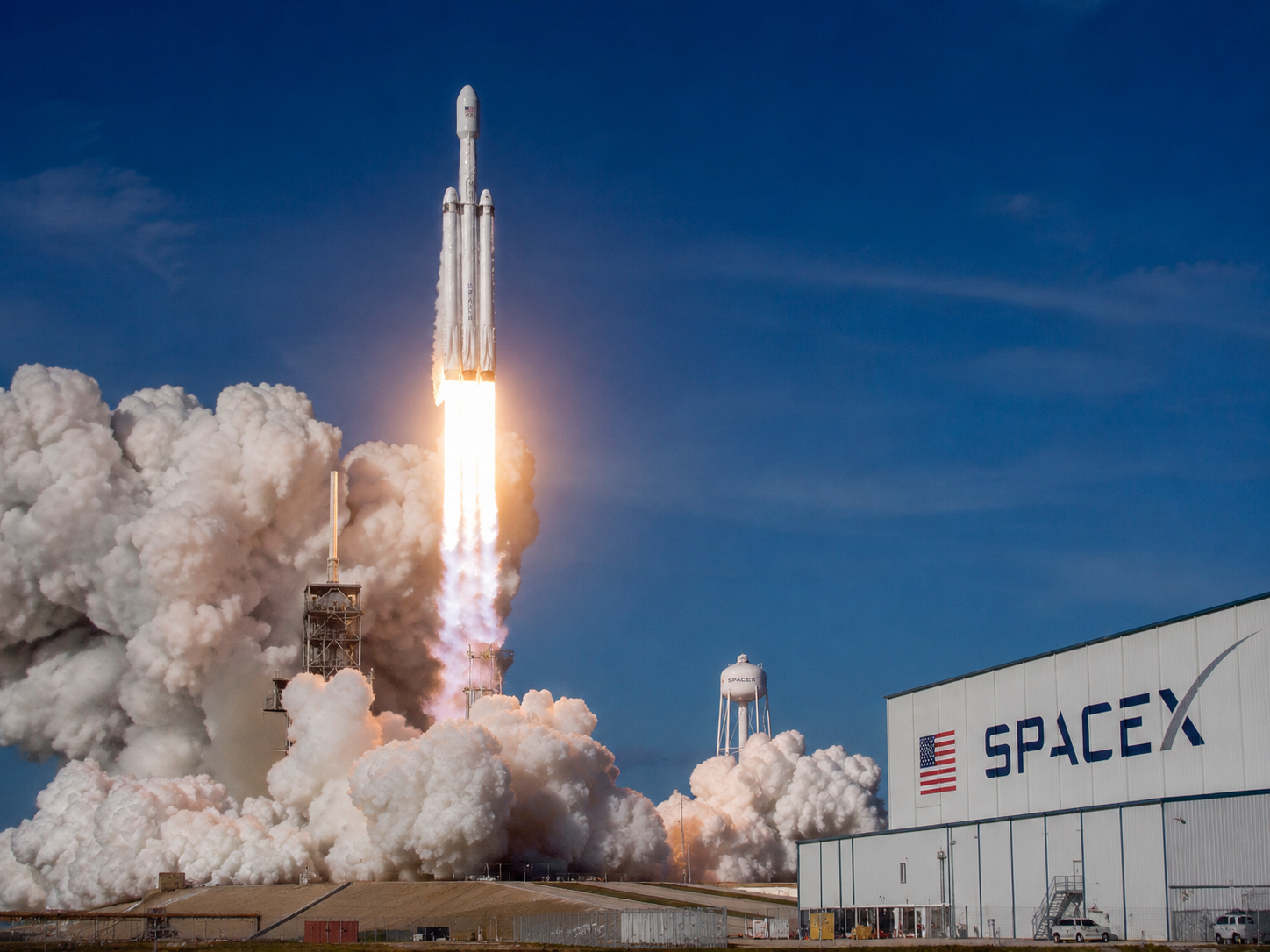
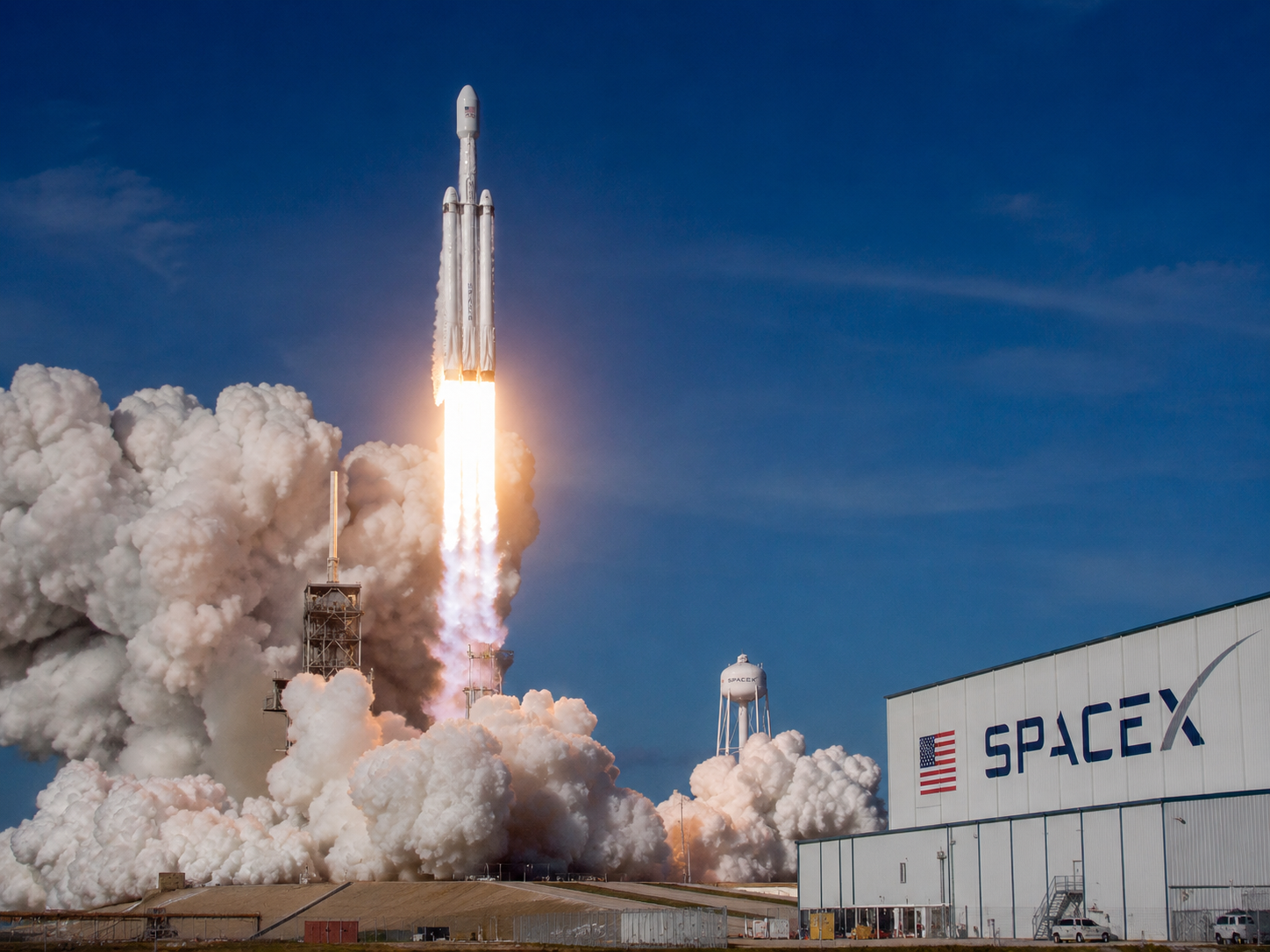
SpaceX (SPCX) stock remains in focus on Wall Street as analysts assess the potential of its Starship rocket programme and the company’s expansion into wireless communications through Starlink Mobile.
Morgan Stanley reiterated its Overweight rating and $300 price target on SpaceX, implying approximately 85% upside from the stock’s October 9 closing price of $162.57.
Lead analyst Adam Jonas said the next two Starship missions could significantly influence investor expectations for the company’s growth prospects.
The outlook comes as SpaceX prepares for its next Starship test flights while pursuing opportunities in satellite communications, orbital computing, and manufacturing.
SpaceX stock was up 0.78% at the time of writing on Monday.
Morgan Stanley sees Starship reusability as a growth driver
Morgan Stanley said the upcoming Starship Flight 15 could represent an important step towards making the next-generation rocket fully reusable.
The mission is tentatively scheduled for November 8, although SpaceX has not confirmed the date.
It could include an attempt to catch the returning spacecraft using mechanical arms at the launch tower, a manoeuvre that Chief Executive Elon Musk has indicated the company hopes to attempt.
Flight 16 could follow as early as December 10, according to preliminary air traffic notices cited by Morgan Stanley. That date also remains unconfirmed.
Successful reusability could reduce launch costs and increase the amount of equipment SpaceX can deliver into orbit.
These improvements could support the expansion of its Starlink satellite network and create opportunities in emerging markets such as orbital computing and manufacturing.
According to Morgan Stanley, a single Starship launch carrying next-generation Starlink satellites could deliver bandwidth capacity equivalent to one to more than two months of current deployments using Falcon 9 missions.
Each Starlink V3 satellite offers approximately 10 times the downlink capacity of the V2 Mini satellites launched aboard Falcon 9 rockets, the report said.
Starlink expansion could improve satellite network economics
Morgan Stanley expects Starship to accelerate Starlink’s deployment by carrying larger payloads into orbit.
Following the deployment of 26 Starlink V3 satellites during Flight 14, Jonas expects the next mission to carry a similar or potentially larger payload.
Starship has the capacity to carry as many as 60 of these satellites, potentially reducing the number of launches required to expand the network.
The developments could also support SpaceX’s broader ambitions in satellite communications and artificial intelligence.
Separately, Pivotal Research raised its SpaceX price target to $230 from $220 while maintaining a Buy rating after the company agreed to acquire nationwide wireless spectrum from Grain Management.
Analyst Jeffrey Wlodarczak said SpaceX had effectively created a “legitimate” new low-cost wireless carrier through Starlink Mobile, which could initially target rural and suburban customers by bundling the service with existing Starlink equipment.
The roughly $8 billion agreement covers up to 14 megahertz of paired spectrum in the 800 MHz band.
These lower-frequency airwaves can travel farther and penetrate buildings more effectively, potentially extending mobile coverage.
Engine problems remain a risk for Starship timeline
Despite the potential benefits, Morgan Stanley highlighted technical challenges that could affect the programme’s progress.
All three launches involving the V3 configuration experienced booster engine problems before splashdown, while two also encountered failures involving the spacecraft’s vacuum engines.
Although the number of booster engines successfully firing during landing attempts has improved, further setbacks could delay hardware reuse and constrain the launch cadence in 2027.
Investors will therefore be watching the next missions for evidence that SpaceX can improve reliability and move closer to routine reuse.
The outcomes could influence expectations for Starship’s role in expanding Starlink, reducing launch costs, and supporting SpaceX’s longer-term growth opportunities.
The post Why does Morgan Stanley see an 85% upside for SpaceX stock? appeared first on Invezz