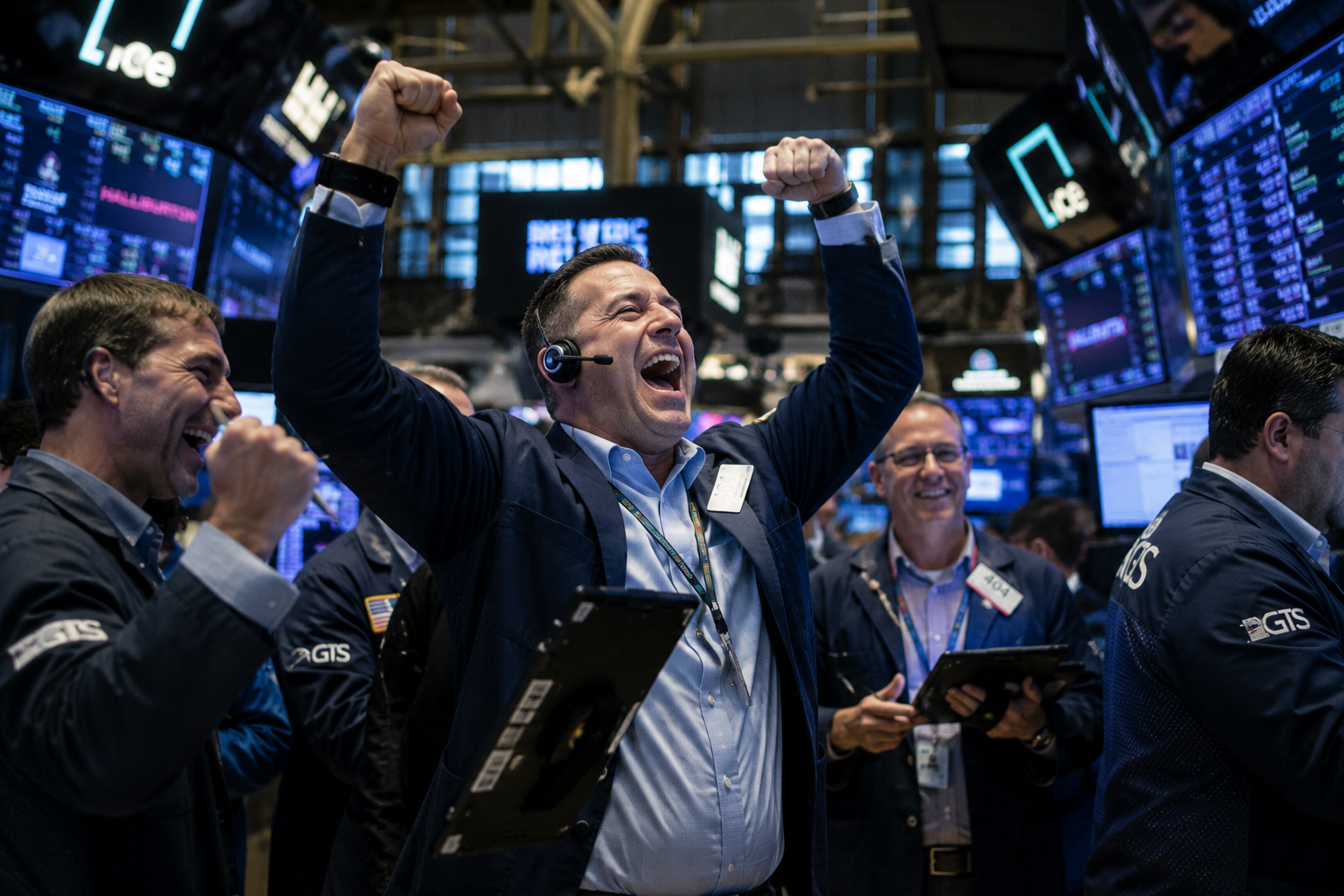
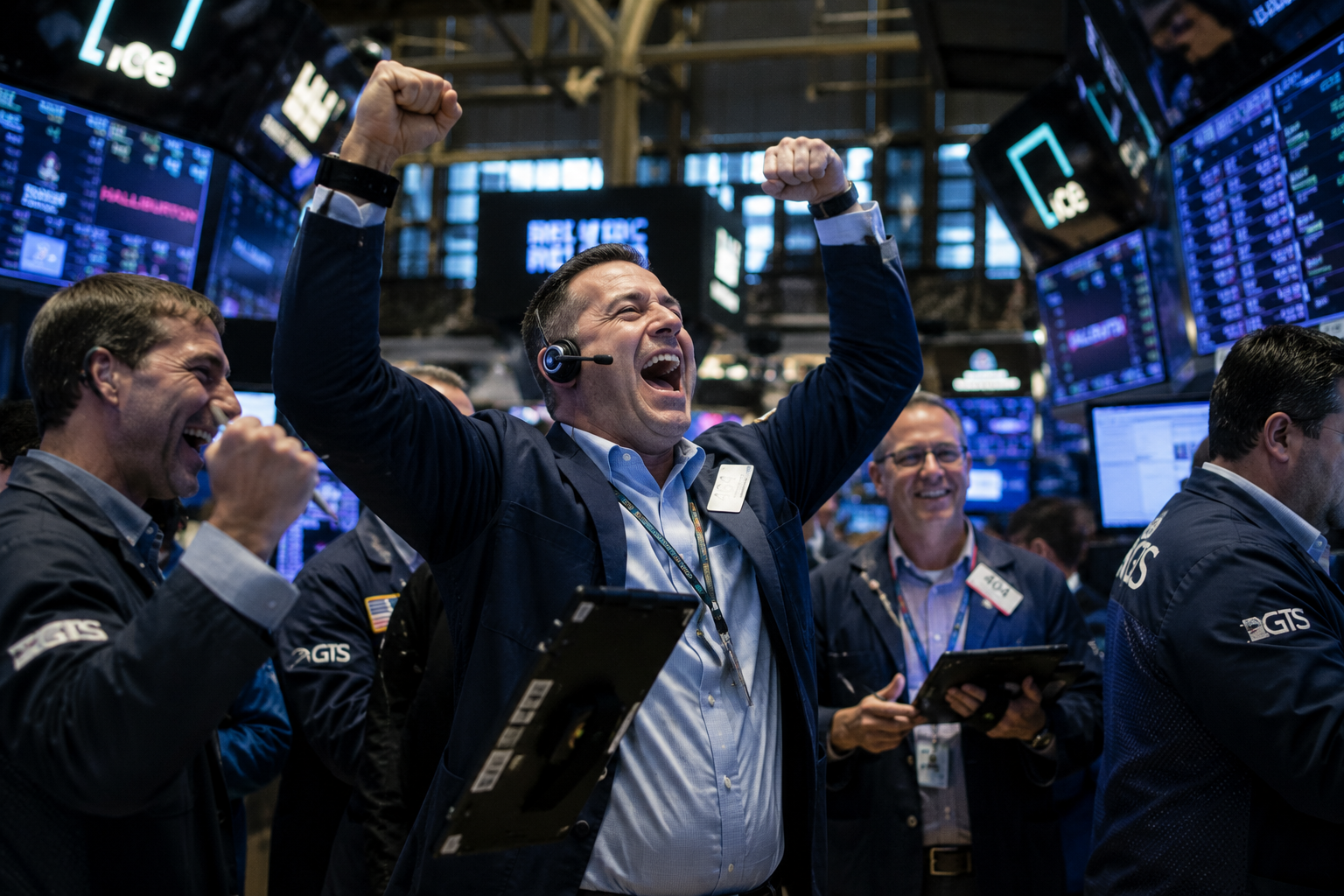
US stock markets reversed losses and turned higher on Thursday after reports that the United States and Iran had reached a draft agreement, easing geopolitical concerns and improving investor sentiment following earlier losses tied to uncertainty around the conflict.
The Dow Jones Industrial Average rose 309 points, or 0.62%, while the S&P 500 gained 0.37%.
The Nasdaq Composite added 0.37% as investors rotated back into risk assets on hopes that tensions in the Middle East could begin to stabilize.
The rebound followed reports from Iranian media outlets, citing Al-Arabiya and the Iranian Labour News Agency, that a draft peace agreement between Washington and Tehran had been finalized with mediation from Pakistan and could be officially announced within hours.
According to the reports, the agreement includes an immediate and comprehensive ceasefire, commitments from both sides not to target infrastructure, and guarantees for freedom of navigation through the Persian Gulf and the Strait of Hormuz under a joint monitoring mechanism.
The draft also reportedly outlines a gradual lifting of sanctions tied to Iran’s compliance, while negotiations on unresolved issues would begin within seven days.
Markets rebound as geopolitical fears ease
The market recovery marked a reversal from earlier weakness after investors had grown increasingly concerned that fading prospects for diplomacy could prolong disruptions in global energy markets.
Stocks recovered as hopes for a diplomatic resolution improved sentiment and reduced some fears around inflation pressures tied to rising oil prices.
US crude oil trimmed earlier gains and hovered near $97 per barrel as traders speculated that a deal could eventually restore more stable energy flows through the Strait of Hormuz, a critical global shipping route.
Treasury yields also edged lower during the session as investors reassessed the near-term inflation outlook.
Traffic through the Strait of Hormuz has declined sharply since the conflict intensified, contributing to volatility across energy markets and broader financial markets.
Iran is reportedly discussing with Oman the establishment of a permanent toll system to formalize its oversight of maritime traffic through the strategic waterway.
President Donald Trump addressed the issue directly during remarks to reporters.
“We want it open, we want it free, we don’t want tolls,” he said. “Right now, we’re negotiating and we’ll see.”
Draft agreement raises hopes for ceasefire
The reports surrounding the draft agreement helped fuel optimism that both countries may be moving toward a broader diplomatic framework aimed at reducing military tensions and stabilizing regional trade routes.
According to Iranian media reports, both sides agreed to refrain from attacking each other’s infrastructure as part of the proposed ceasefire arrangement.
The agreement would also establish a joint regulatory mechanism to guarantee safe navigation through the Persian Gulf and the Strait of Hormuz.
Sanctions relief for Iran would reportedly occur gradually and remain tied to compliance with the terms of the agreement.
The Iranian Students’ News Agency reported that Tehran was reviewing a US proposal that “has narrowed the gaps to some extent.”
At the same time, conflicting reports around Iran’s uranium policy continued to add uncertainty to negotiations.
Reuters earlier reported that Supreme Leader Mojtaba Khamenei had issued a directive that near-weapons-grade uranium should not be sent abroad.
Later, Al Jazeera reported that no new uranium directive had been issued.
The post Dow reverses early losses as US-Iran deal hopes lifts markets appeared first on Invezz