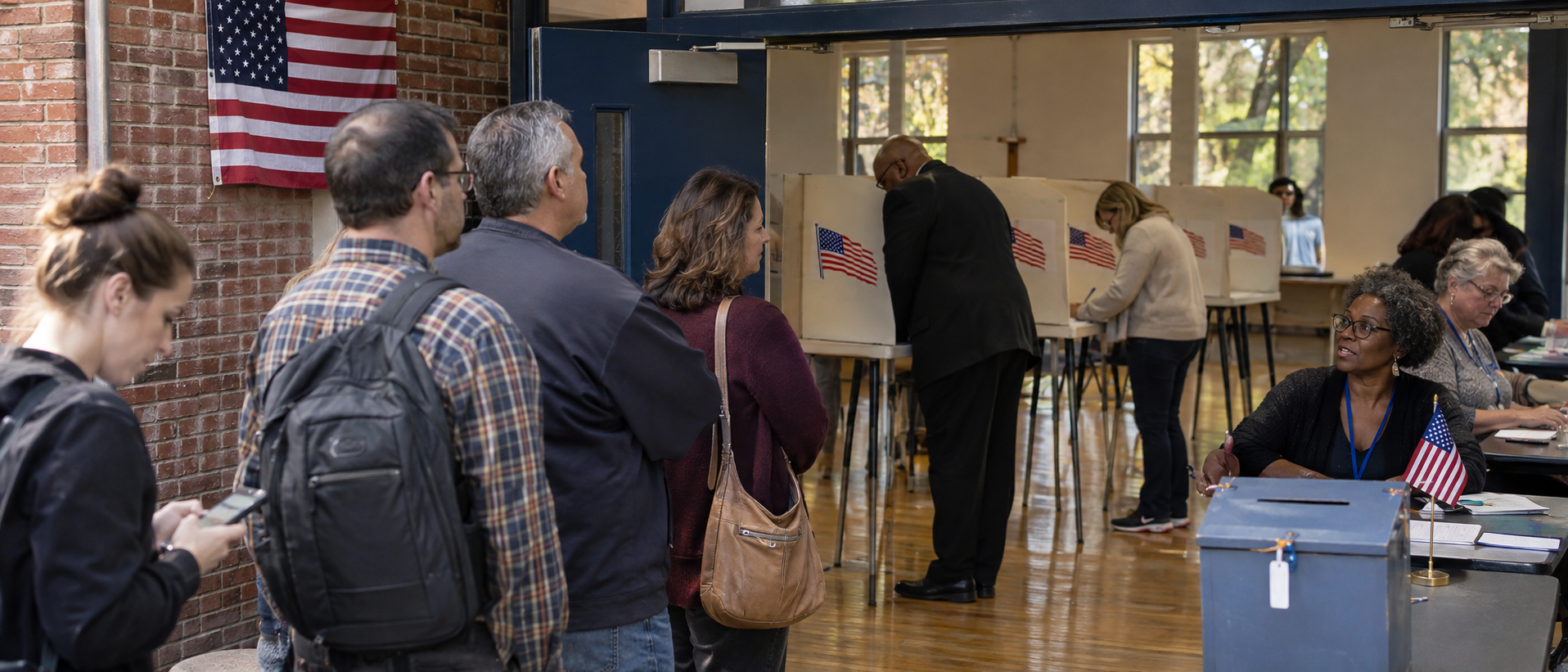
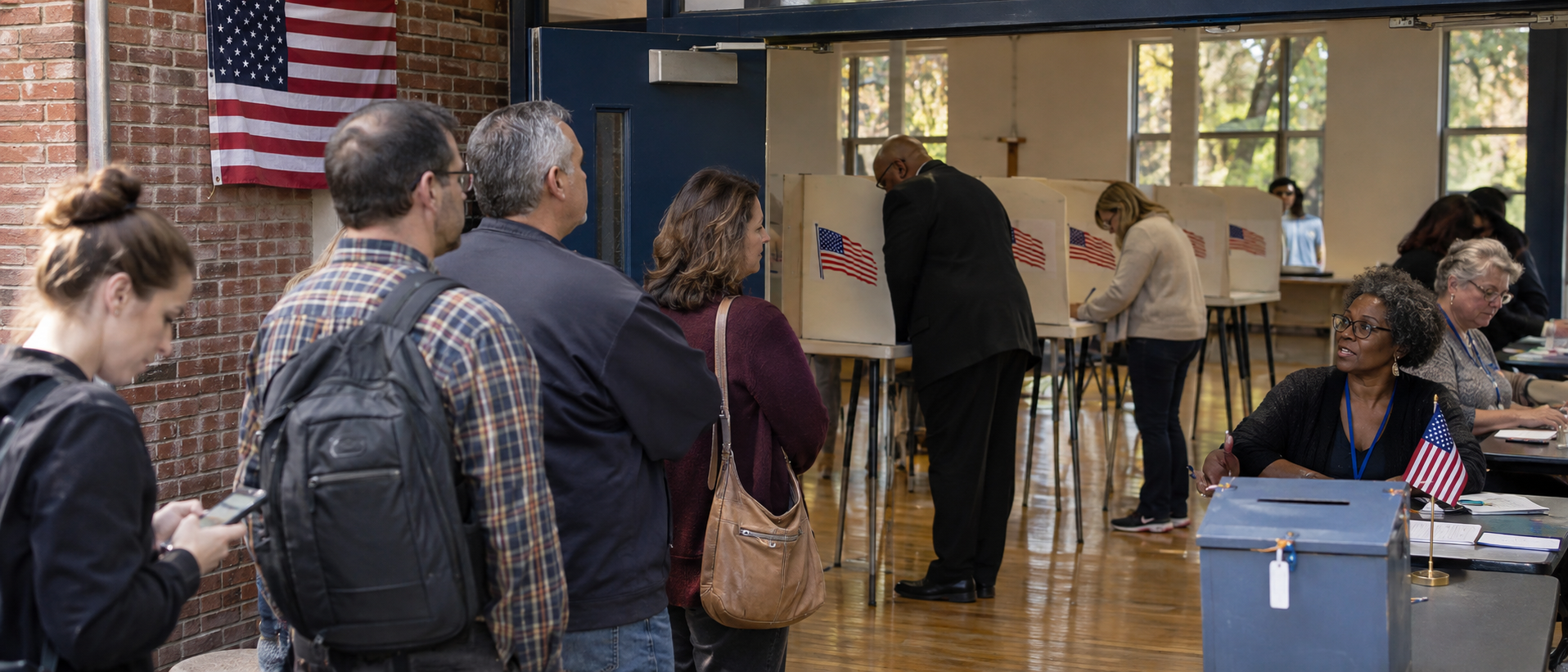
US stocks could stage a relief rally if Republicans outperform expectations in the Nov. 3 midterm elections, according to Michael Landsberg, chief investment officer at Landsberg Bennett Private Wealth Management.
While he remains cautious on the broader market outlook, Landsberg told CNBC that a Republican victory or retention of congressional control would likely be viewed “positively” – particularly as markets navigate slowing growth signals, falling Treasury yields, and growing concerns about the sustainability of the AI-led rally.
A Republican win could trigger a market rally
Landsberg believes investors have largely positioned themselves for Democrats to gain control of both chambers of Congress.
Because of that expectation, any outcome that preserves Republican influence in Washington could come as a positive surprise for markets.
“I think the market would rally,” Landsberg said when asked about a scenario in which Republicans manage to maintain control. In his view, markets tend to react sharply when consensus assumptions are challenged, and election outcomes are no exception.
Conversely, he warned that a significantly larger-than-expected Democratic victory could unsettle investors.
Markets generally dislike uncertainty, and an outcome that materially alters the expected policy landscape could lead to renewed volatility.
With all 435 House seats and dozens of Senate and gubernatorial races being contested on Election Day, investors are closely monitoring whether political balance of power shifts more dramatically than anticipated.
Regulation fears are emerging around the AI boom
One reason Landsberg expects a favourable market reaction to a Republican victory is concern that additional Democratic control could bring “tougher regulatory scrutiny” to sectors tied to artificial intelligence (AI) infrastructure.
He specifically highlighted data centers as an area that could face increased policy hurdles.
Data-center development has become a critical component of the AI investment boom – supporting the huge computing demands of technologies deployed by companies such as Nvidia, Microsoft, Amazon, and Alphabet.
According to Landsberg, restrictions or heightened oversight could create “hiccups” for parts of the market that have benefited enormously from AI-related spending.
That matters because AI investments have become a key driver of corporate capital expenditures and broader economic growth.
His comments reflect a growing concern among investors that the market’s strongest performers remain heavily dependent on uninterrupted AI spending.
Any policy shift that raises costs, slows approvals, or dampens investment enthusiasm could pressure high-growth technology names.
Investors should avoid building a ‘closet AI portfolio’
Even as Landsberg sees upside potential from a Republican election surprise, he is not advocating an all-in bet on technology stocks.
Instead, he argues that investors have become too concentrated in AI-themed trades.
“Diversification for most investors is dead right now,” he said, noting that investors have piled into everything from semiconductor makers to utilities and industrial companies linked to AI infrastructure.
While Nvidia remains his firm’s largest holding, he emphasized that position sizing remains disciplined.
Landsberg’s broader message is that portfolio diversification matters more than ever.
Utilities should be owned for their defensive characteristics, industrials for industrial growth, and technology for innovation, rather than treating every investment as an indirect AI trade.
If Republicans outperform expectations, stocks may get a short-term boost.
But Landsberg argues that long-term success will depend less on election results and more on whether investors maintain balanced portfolios as market leadership evolves.
The post What to expect from US stocks if Republicans win midterm elections appeared first on Invezz