The anniversary of “Liberation Day” came and went on April 2 without much fanfare. The Trump administration’s silence was striking, especially considering all the pomp and circumstance they invested in last year’s lavish unveiling at the White House Rose Garden.
But was it any wonder that the “dog didn’t bark,” given how the last twelve months played out?
Let’s take a quick trip down memory lane.
On April 2, 2025, President Trump vowed that the day would “forever be remembered as the day American industry was reborn.” On January 30, 2026, just two months ago, he declared “Mission Accomplished” on his trade war in a triumphant op-ed in The Wall Street Journal, claiming that his tariffs had “brought America back” and ushered in an “American economic miracle.”
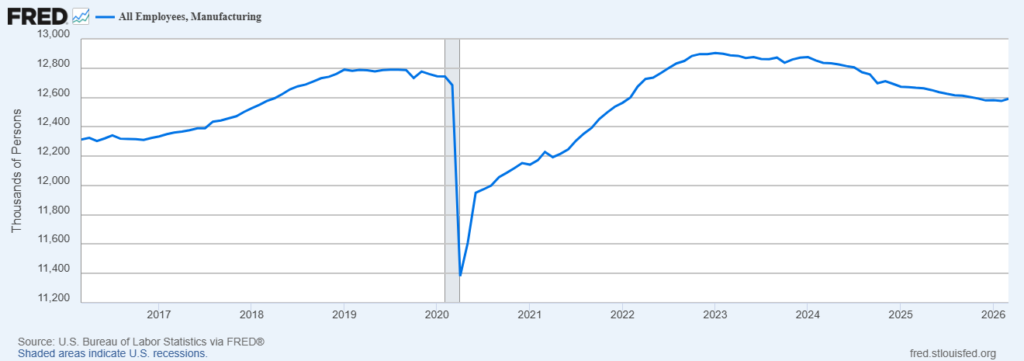
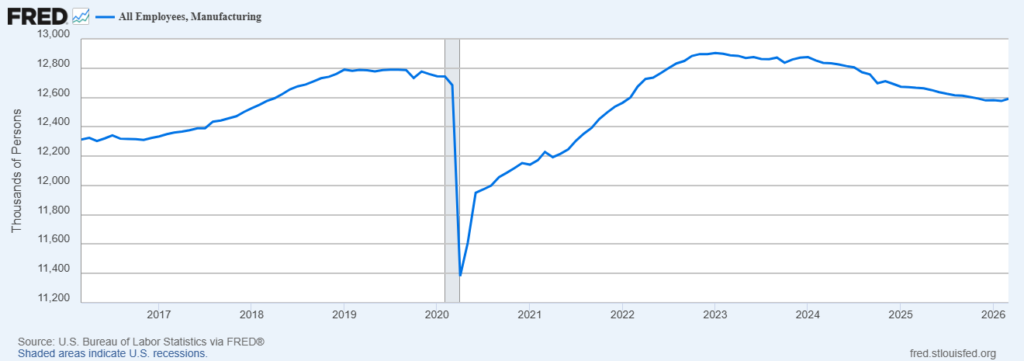
Americans disagree, and so does the data. Trump’s tariffs have proven to be one of his most unpopular policies to date. Studies suggest they’ve slowed growth, raised costs, and failed to deliver the manufacturing renaissance the administration promised. Trump never admits defeat, and he never shies away from touting a victory, so his silence over the anniversary of “Liberation Day” was deafening.
Luckily for the president, it’s not too late to flip the script and reverse much of the damage from his ill-fated trade war.
First, however, he’ll need to remember a lesson he seems to have forgotten from his greatest trade deal to date. In his defense, it was 40 years ago.
Sometime in 1986, Donald Trump and Tony Schwartz struck a big, beautiful deal. Over eighteen months, Schwartz shadowed the real estate magnate, getting a feel for the man he would catapult to stardom by ghostwriting The Art of the Deal. In return, Trump got what he’s always craved: his name in gold, top-billed on the cover (plus half of the advance and all subsequent royalties).
Critics may assert that Schwartz was “ripped off” by this deal (even before Trump’s lawyers issued a cease-and-desist order and demanded that Schwartz return his royalties and the book advance, which the authors had split 50/50). Surely Schwartz deserves more credit for writing essentially every word of the bestseller that made Trump an international superstar and paved his path to the Oval Office. Our 44th president might even scold Trump: “You didn’t [write] that! Somebody else made that happen!”
To economists, however, the Trump-Schwartz deal was truly a work of art. Only Trump went on to achieve international fame, but both men reaped enormous gains from this stroke of genius. Rewind back to 1986. Schwartz was a fantastic writer; Trump, an ambitious entrepreneur who could hardly afford to take time away from making deals to write about them. It would have been silly for Schwartz to seek his fortune by trying his hand at high-end real estate. And it would’ve been even sillier for Trump to pen an entire book, as readers of his Truth Social can attest.
Together, they accomplished what neither could do on their own. After its publication, Trump candidly, and quite humorously, admitted he’d now written more books (one) than he’d read. In so doing, they enriched not only themselves but the lives of millions of devoted readers around the world.
That, in essence, is why economists support free trade. Trade and the ideas and institutions that underpin it are among the biggest factors driving the economic miracle we’ve experienced over the past few centuries. Trade not only helped lift the United States and dozens of other nations out of poverty. It also helped make America great in the first place. It’s no coincidence that America’s strongest periods of economic growth correspond to its periods of freest trade.
Those benefits continue to this day. Trade makes widespread prosperity possible, a fact protectionists like Trump now take for granted.
Trump can deride free trade all he wants, but his trade with Schwartz forty years ago was easily the best business deal he’s ever struck. It quite literally kick-started his personal-branding empire and launched him to global stardom. Trump never would’ve become a household name if he hadn’t had the good sense to strike that deal with Schwartz and the good fortune to live in a nation that protected his right to make that trade freely.
The implications for international trade should be obvious. Trump would’ve been a fool not to strike that deal if Schwartz had happened to hail from New Guinea instead of New York. He’d also be far less rich and powerful.
As economists have noted since the days of Adam Smith, the benefits of trade don’t magically stop at a nation’s borders. Economic laws are universal: they apply to everyone, everywhere, across time and space. If engaging in a mutually beneficial trade with a fellow New Yorker was good for Trump forty years ago, then giving Americans that same freedom to trade with foreigners is good today.
Are there edge cases where trade should be regulated or proscribed? Certainly, few economists opposed restricting trade with Nazi Germany in 1940, and even fewer advocate for unrestricted trade in fissile materials or chemical weaponry today. Yet these exceptions prove the general rule: trade enriches, and restricting it impoverishes.By all early indications, Trump has no intention of heeding our advice and calling off his quixotic trade war. But our plea to him remains simple: Let ordinary Americans reap the gains from trade you so clearly understood when you struck that fateful deal with Schwartz. If specialization and trade are good for you, why not for millions of Americans eager to strike their own “art of the deal”?