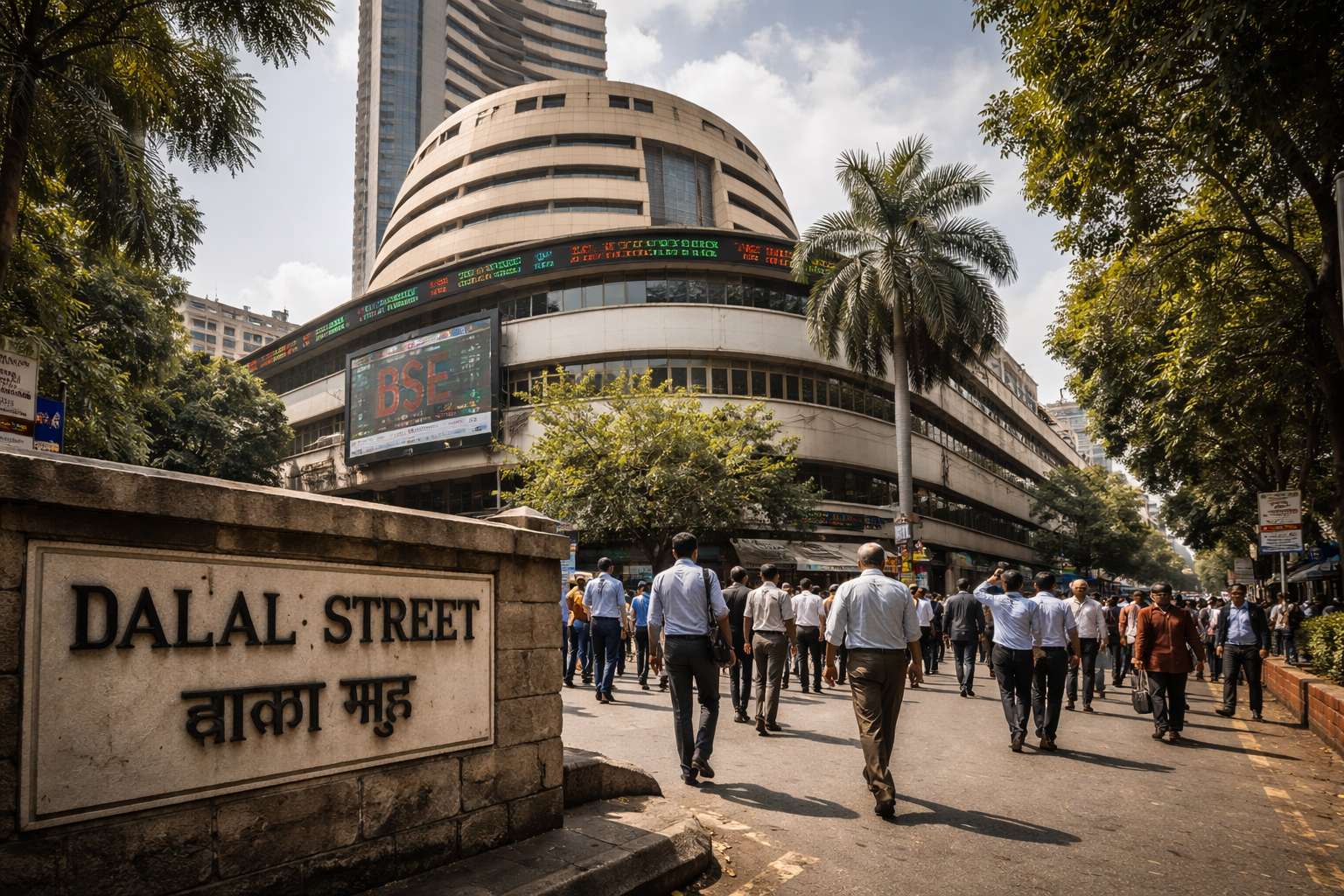
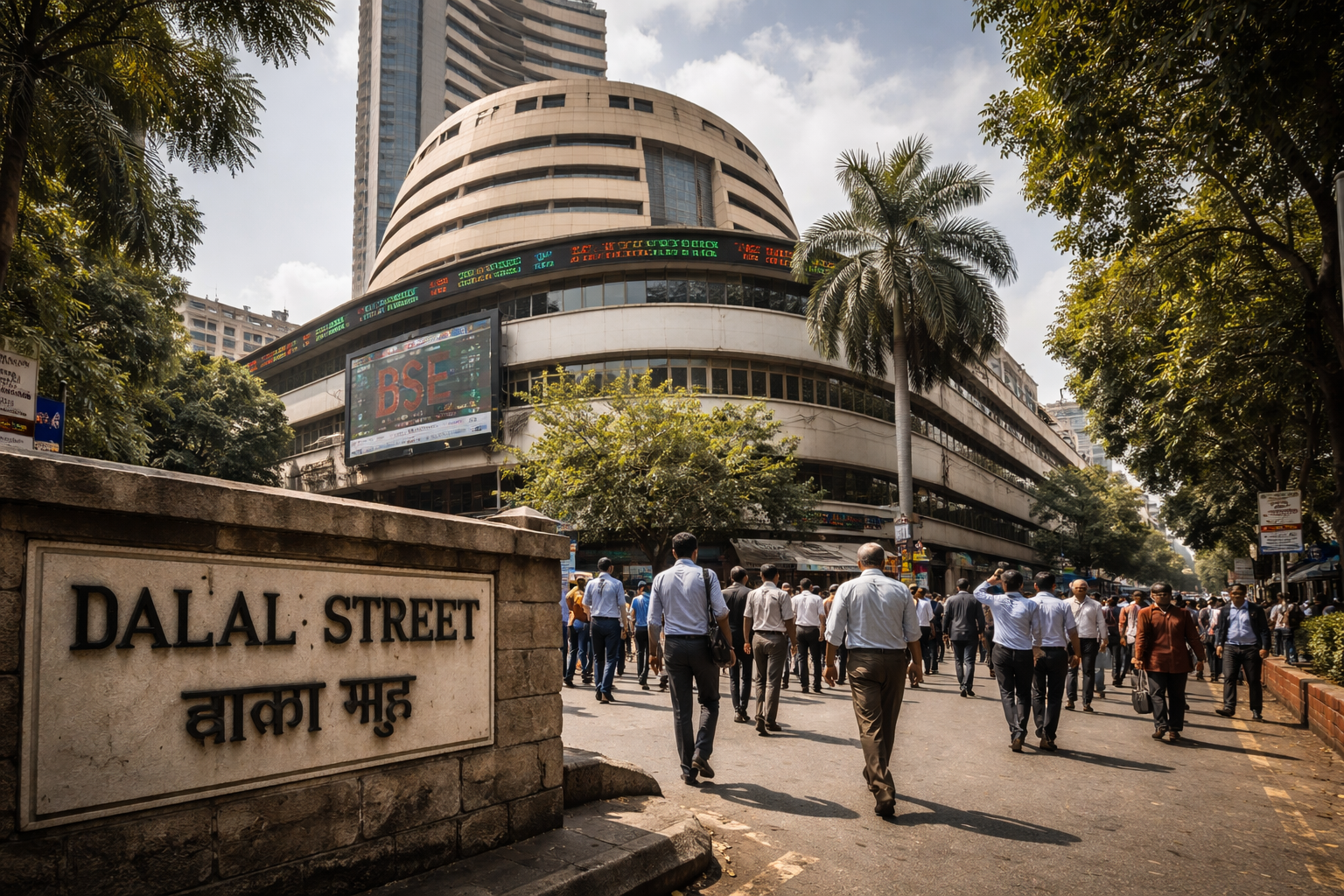
Foreign investors are on track to pull a record $12 billion from Indian equities in March, as rising oil prices and geopolitical tensions in the Middle East trigger a sharp reversal in sentiment toward emerging markets.
With just two trading sessions left in the month, foreign portfolio investors (FPIs) have already withdrawn Rs 1.12 trillion ($12.1 billion) from Indian stocks, according to data from the National Securities Depository Limited.
This surpasses the previous monthly record of Rs 940 billion in October 2024.
At the same time, FPIs have also stepped up selling in the bond market, pulling out Rs 152 billion under the Fully Accessible Route — the highest since the category was introduced.
Geopolitical tensions trigger sharp sentiment shift
The outflows mark a stark turnaround from February, when foreign investors briefly turned net buyers on the back of improving macroeconomic indicators and expectations of stronger consumption.
According to BNP Paribas, that optimism has quickly faded.
“FII flows have turned negative in March 2026 till date, and the outlook has worsened,” the brokerage noted, highlighting the impact of the escalating Iran conflict.
Indian equities have mirrored the global selloff.
The Nifty 50 and BSE Sensex have both fallen around 9.5% since the conflict began, while volatility has surged, reflecting heightened uncertainty among investors.
Reflecting these concerns, Goldman Sachs has cut India’s 2026 growth forecast to 5.9% from 7% and downgraded its stance on Indian equities.
Rupee weakness amplifies outflows
The selloff has been exacerbated by a sharp fall in the Indian rupee, which has slid to record lows against the US dollar.
On Friday, the rupee weakened by 0.9% to 94.7875, taking its total decline to about 4.2% since the war began, exacerbating foreign investors’ losses and potentially accelerating their exit from Indian assets.
Analysts say the currency decline has created a feedback loop, where falling returns prompt further selling, adding pressure on both equities and the rupee.
Oil shock at the core of investor concerns
At the core of investor concerns is the surge in crude oil prices.
As a major oil importer, India is particularly exposed to supply disruptions and price spikes.
BNP Paribas estimates that a 10% increase in oil prices could widen the current account deficit by about 35 basis points and push inflation higher by around 30 basis points.
Pankaj Murarka, CEO and CIO at Renaissance Investment Managers, warned of a more severe impact if oil prices remain elevated.
“If oil settles at $85 to $95 a barrel, that could lead to incremental outflows of $40 billion to $50 billion,” he said, speaking to CNBC’s “Inside India” on Friday, adding that such a scenario could trim India’s growth to around 6.5%.
Growth, remittances and earnings under pressure
Beyond oil, analysts have flagged multiple risks to the economic outlook.
BNP Paribas pointed to the vulnerability of remittance flows, noting that the Middle East accounts for roughly 40% of India’s inward remittances.
“A prolonged conflict can slow down the economies in the Middle East, impacting jobs and projects,” the brokerage said.
Corporate earnings are also at risk, as rising input and transportation costs, coupled with weaker global demand, are expected to weigh on profitability across sectors.
Valuations fail to lure investors
Despite the recent correction, analysts say valuations are not yet attractive enough to draw foreign investors back.
Daniel Grosvenor, director of equity strategy at Oxford Economics, said in the CNBC report, “We don’t think the decline in valuations is compelling enough to draw foreign investors in the near term,” he said, citing elevated global risk premia.
Data compiled by Nomura also showed that a growing number of Asia-focused funds have turned underweight on India, reinforcing the shift in positioning.
Domestic flows offer limited cushion
Domestic inflows through systematic investment plans have remained relatively resilient, providing some support to markets amid foreign selling.
However, analysts warn that sustained volatility and weak returns could test investor patience over time.
For now, the trajectory of oil prices and the evolution of the Middle East conflict remain key variables.
Until there is greater clarity on both fronts, foreign investor flows into Indian equities are likely to stay under pressure, keeping markets volatile in the near term.
The post FPIs pull out $12B from Indian equities on Iran war, oil shock appeared first on Invezz